You've Heard About Chemical Peels, but What Do They Really Do for Your Face?
Maybe you saw a before and after on social media and thought, “Could that work for me?” Or maybe you’ve been dealing with stubborn acne, dark spots, or skin that just looks tired, no matter what you try. If you’ve been curious about chemical peels but weren’t sure where to start, you’re in the right place. At Georgia Family Care, we hear this question all the time: “What do chemical peels do for your face, exactly?” It’s a great question, and the answer might surprise you. Chemical peels are one of the most trusted, medically proven ways to refresh and improve your skin. And when done by a trained medical professional, they are safe, effective, and tailored just for you. In this guide, we’ll walk you through everything you need to know, from how peels work and what they can treat, to what you can expect during and after your first treatment at our offices in Lithonia, Lawrenceville, and Conyers, Georgia.
How Chemical Peels Work on Your Face
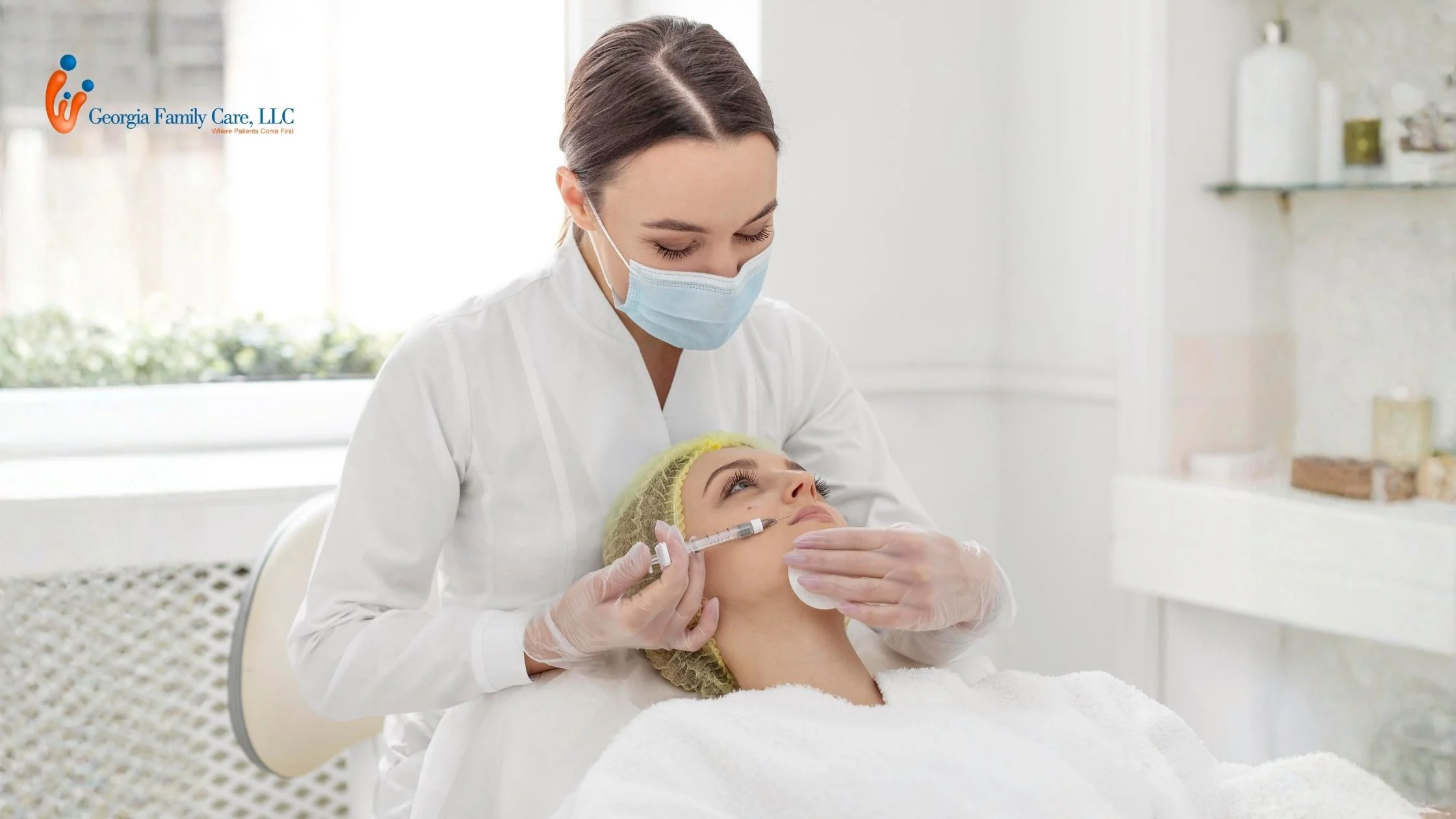
Think of a chemical peel as a “reset button” for your skin. During the treatment, your provider applies a medical-grade solution to your face. This solution works by loosening and gently removing the damaged outer layers of skin. Once those old layers peel away, fresh, new skin grows in their place. It sounds intense, but in reality, it’s a controlled, well-studied treatment that dermatologists and medical providers have been using safely for decades.
What Happens to Your Skin During a Peel?
Here’s what’s going on beneath the surface when you get a chemical peel:
- Dead, dull skin cells sitting on top of your face are dissolved and removed.
- Your skin’s natural cell turnover is sped up meaning fresh skin comes to the surface faster.
- Collagen production is triggered. Collagen is the protein that keeps your skin firm, smooth, and youthful. As we age, we make less of it peels help kick it back into gear.
The result? Skin that looks brighter, feels smoother, and works better.
What Skin Concerns Can a Chemical Peel Help With?
This is where it gets exciting. Chemical peels are incredibly versatile. Whether you’re dealing with breakouts, uneven tone, or the first signs of aging, there’s likely a peel that can help.
| Skin Concern | What a Peel Does | Expected Result |
|---|---|---|
| Dull or rough skin | Removes dead surface cells | Brighter, smoother texture |
| Acne and clogged pores | Unclogs pores, reduces oil and bacteria | Fewer breakouts, cleaner skin |
| Dark spots & sun damage | Lightens pigmented cells | More even skin tone |
| Post-acne marks | Speeds up cell turnover to fade marks | Clearer, more uniform complexion |
| Fine lines & early wrinkles | Boosts collagen and resurfaces skin | Softer, firmer appearance |
| Melasma | Targets pigmentation in upper skin layers | Gradual lightening of dark patches |
Types of Chemical Peels: Which One Is Right for Your Skin?
Not all chemical peels are the same. They come in different depths, and each one is designed for specific skin concerns and comfort levels. Here’s a simple breakdown:
Light / Superficial Peels: The "Glow Getter"
Light peels are the most gentle option, perfect if you’re brand new to peels or just want a regular refresh. They use mild acids like glycolic acid, lactic acid, or salicylic acid to work on the very top layer of skin.
Best for: First-timers, mild acne, dull or dry skin, clogged pores, maintenance between treatments.
Downtime: Little to none. You may notice some light flaking or dryness for a day or two, but most people go right back to their day.
Medium-Depth Peels For Stubborn Concerns
Medium peels go a little deeper into the skin and are great for more visible skin issues that a light peel can’t fully address. They often use TCA (trichloroacetic acid) and work on the upper layers of the dermis.
Best for: Moderate acne scars, more noticeable dark spots or sun damage, fine lines, and deeper texture issues.
Downtime: Expect some redness and peeling for about 5–7 days. The results are worth the wait.
How Our Team at Georgia Family Care Picks the Right Peel for You
This is really important: chemical peels are not one-size-fits-all. The right peel depends on your skin type, your specific concerns, your skin tone, and your medical history. That’s why we always start with a personal skin consultation. Your provider will look at your skin, talk through your goals, and recommend the safest, most effective option for you, whether that’s a light glow peel, a targeted medium peel, or a custom treatment plan. If you have a darker skin tone, don’t worry, chemical peels can absolutely be safe and effective for you. It just means choosing the right type and strength is even more important. Our team is trained to do exactly that.
What to Expect Before, During, and After Your Chemical Peel at GA Family Care
First time getting a peel? Here’s exactly what to expect, step by step. No surprises.
Before Your Peel Your Skin Consultation
Before anything happens to your face, you’ll meet with your provider for a thorough skin assessment. This is where we look at your skin type and tone, talk about your concerns, go over your medical history and any medications you’re taking, and make sure you’re a great candidate for the peel you’re interested in.
We’ll also give you prep instructions. These usually include:
- Stopping retinoids or strong exfoliants a few days before your appointment.
- Avoiding sun exposure and tanning beds for at least a week before.
- Keeping skin clean and well-moisturized leading up to your session.
During the Procedure Step by Step
Here’s what a typical chemical peel session looks like,
- Your skin is gently cleansed to remove any makeup, oil, or residue.
- Your provider carefully applies the chemical solution to your face.
- You may feel a mild tingling or warmth. This is completely normal and usually only lasts a few minutes.
- The solution is left on for a specific amount of time (carefully timed by your provider), then neutralized and removed.
- A soothing moisturizer and SPF are applied to protect your fresh skin.
Most sessions take 30 to 60 minutes from start to finish, including prep and aftercare.
After Your Peel: The Recovery Timeline
Here’s what to expect in the days following your peel:
Days 1–3: Your skin may feel tight, look a little red, and feel slightly sensitive like a mild sunburn. This is normal.
Days 3–7: This is the peeling phase. Skin will flake and shed. Please do not pick or peel it yourself! Let it happen naturally.
Week 2 and beyond: Hello, fresh skin! Most patients start to see the glow, improved tone, and smoother texture around week 2.
Your aftercare is just as important as the peel itself. Here’s what we’ll ask you to do:
- Use a gentle, fragrance-free cleanser and a simple moisturizer.
- Apply SPF every single morning, your new skin is more sensitive to the sun.
- Avoid retinoids, harsh exfoliants, and active ingredients until your skin has healed.
- Stay out of direct sunlight and avoid heavy exercise for a few days.
Are Chemical Peels Safe for Your Face? Benefits, Risks, and Who's a Good Fit
The Real Benefits (Why Patients Love Them)
So what do chemical peels do for your face in real, everyday terms? Here’s what our patients love most about their results:
- Clearer, smoother skin after just one session (especially with light peels).
- Faded dark spots and more even skin tone over a course of treatments.
- Fewer breakouts and less congestion for acne-prone skin.
- Softer, firmer skin with continued collagen stimulation.
- A confidence boost that comes with skin you feel good in.
Chemical peels are also more affordable than many laser treatments, and they can be customized based on your budget, schedule, and skin goals.
Possible Side Effects: What's Normal vs. What's Not
Like any skin treatment, chemical peels do have some side effects. Most of them are temporary and totally expected:
Normal: Redness, dryness, tightness, and peeling, especially in the first week.
Less common: Temporary darkening or lightening of the skin, especially if aftercare instructions aren’t followed.
Rare: Infection or scarring, these risks are greatly reduced when the peel is done by a trained medical professional.
We take every step to make sure your treatment is as safe as possible, from your initial skin screening to your post-peel care instructions. We’re with you through every step.
Who Is a Good Candidate?
Chemical peels work well for a wide range of patients. You may be a great candidate if you have:
- Acne or clogged pores that won’t quit.
- Post-acne dark marks or scars.
- Sun damage, age spots, or uneven pigmentation.
- Dull, rough, or tired-looking skin.
- Early fine lines or mild skin laxity.
We may recommend a different approach or adjust your plan if you have very sensitive or reactive skin, a history of keloid scarring, are currently pregnant or breastfeeding, or are taking certain medications like isotretinoin (Accutane).
| Pros | Cons |
|---|---|
| Visible results, often after 1–3 sessions | Some downtime (especially medium peels) |
| Treats multiple concerns at once | Not a DIY treatment – needs professional care |
| More affordable than many laser options | Sun sensitivity after treatment |
| Customizable to your skin type and tone | Results vary; some concerns need multiple sessions |
| Medically supervised and evidence-based | Darker skin tones need careful peel selection |
Conclution:
Your skin works hard every day dealing with sun, stress, breakouts, and the natural process of aging. A chemical peel is one of the safest, most effective ways to give it a real reset. Whether you’re curious about clearing up acne, fading dark spots, smoothing rough texture, or just want that healthy glow you’ve been missing chemical peels at Georgia Family Care might be exactly what your skin needs. Every treatment we offer is personalized to you. We look at your skin, listen to your goals, and create a plan that’s safe, realistic, and right for your unique needs. You’ll never be handed a cookie-cutter treatment; you’re a real person, and you deserve real results. Ready to take the first step? Book a skin consultation at our Lithonia, Lawrenceville, or Conyers office to learn more and schedule your appointment.
Frequently Asked Questions About Chemical Peels for Your Face
1. Are chemical peels really good for your face?
Yes, when done by a trained medical provider, chemical peels are a safe and effective treatment for many common skin concerns. They can improve acne, dark spots, uneven texture, and early signs of aging. The key is choosing the right type of peel for your skin.
2. How long do chemical peel results last?
It depends on the type of peel and how you take care of your skin afterward. Light peels may give you a glow that lasts a few weeks, while the benefits of medium peels (like improved pigmentation and texture) can last several months. Wearing sunscreen daily and following your aftercare routine makes a big difference.
3. How many sessions will I need?
For light peels, most patients do a series of 3–6 sessions spaced a few weeks apart to get the best results. For medium peels, you may see significant improvement after just 1–2 sessions. Your provider will recommend the right number based on your skin goals during your consultation.
4. Can my skin look worse right after a chemical peel?
It can look a little rough during the peeling phase (days 3–7), and that’s completely normal. This is just the old skin shedding to reveal the fresh skin underneath. Stick with your aftercare routine, resist the urge to pick, and trust the process. If you notice unusual pain, severe swelling, or signs of infection, contact us right away.
5. Are chemical peels safe for darker skin tones?
Yes, with the right peel and the right provider. Darker skin tones can be more sensitive to certain chemicals, so choosing the correct peel strength is very important. At Georgia Family Care, our team is experienced in treating all skin tones safely and will always choose the best option for you.
6. How much does a chemical peel cost at Georgia Family Care?
The cost of a chemical peel depends on the type of peel, the number of sessions, and your individual treatment plan. We encourage you to book a consultation so we can give you an accurate, personalized quote. We’re committed to providing great care at an accessible price, and we’d love to help you find a plan that fits your budget.
Author Bio:

DHARMESH KUMAR PATEL, M.D.
Dr. Patel is the founder of Georgia Family Care and has proudly served Dekalb and Gwinnett County for nearly 30+ years. He treats patients of all ages and focuses on full-body and mental wellness. He is known for his caring approach and helps manage conditions like diabetes, high blood pressure, and heart disease with a focus on education and prevention.
Recent Posts
What is the best skin hydration therapy for dry sensitive skin?
Discover the best skin hydration therapy for dry, sensitive skin for long-lasting hydration and barrier repair. Book your personalized consultation today.
How Long Do Skin Tightening Treatments Last?
Feeling tired, moody, or off? Learn the key signs that you need hormone replacement therapy and how Georgia Family Care can help you feel balanced again.
What Are the Signs That You Need Hormone Replacement Therapy?
Feeling tired, moody, or off? Learn the key signs that you need hormone replacement therapy and how Georgia Family Care can help you feel balanced again.