Skin Resurfacing
Treatment at Georgia Family Care

Smooth, refresh, and renew your skin with advanced skin resurfacing treatment designed to target texture, scars, fine lines, and tone in a safe, medically supervised setting.

UNDERSTANDING THE TREATMENT

What Is Skin Resurfacing?

Skin resurfacing is a medical procedure that removes or remodels the outer layers of damaged skin to reveal a smoother, more even-toned surface underneath. By stimulating the skin’s natural renewal process, skin resurfacing treatment encourages fresh, healthier-looking skin to form over time.

There are several types of skin resurfacing treatments available, each suited to different skin concerns and goals:

● Laser skin resurfacing, which uses concentrated light energy to target damaged tissue
● Fractional skin resurfacing, which treats microscopic zones of skin while leaving surrounding tissue intact for faster healing
● Non-ablative skin resurfacing, which heats deeper skin layers without removing the surface
● Ablative skin resurfacing, which removes thin layers of skin for more dramatic renewal

Our providers select the right approach based on your skin type, concerns, and desired outcome, ensuring your skin resurfacing treatment plan is tailored specifically to you.

Skin Resurfacing Treatment at Georgia Family Care, Litonia, United States

CANDIDACY & SUITABILITY

Who Should Consider Skin Resurfacing Treatments?

Skin resurfacing treatment is a versatile option for adults dealing with a variety of surface-level skin concerns. It may be a good fit if you struggle with any of the following: Rough, uneven, or dull-looking skin texture, Fine lines and early signs of aging, Acne scars or other surface scarring, Sun damage, age spots, or hyperpigmentation, Enlarged pores or uneven skin tone.
Eligibility for skin resurfacing depends on factors such as your skin type, medical history, current medications, and the specific concerns you’d like to address. A thorough consultation with our medical team is the first and most important step. During this visit, your provider will evaluate your skin, discuss your goals, and confirm whether skin resurfacing treatment is the right option, or recommend an alternative approach that better suits your needs.

STEP BY STEP

What Happens During a Skin Resurfacing Treatment?

Knowing what to expect can help you feel relaxed and confident before your appointment. Here is how a typical skin resurfacing treatment session unfolds at Georgia Family Care.

Initial Consultation & Skin Evaluation

Your provider examines your skin closely, reviews your health history, and discusses your goals to determine the most suitable type of skin resurfacing for your needs.

Skin Preparation

The treatment area is thoroughly cleansed. Depending on the resurfacing method chosen, a topical numbing agent may be applied to help maximize your comfort.

Targeted Energy Application

Using a medical-grade device, your provider applies controlled energy to the treatment area, working in passes to address texture, scarring, and tone evenly.

Comfort Monitoring

Throughout the session, your provider checks in to ensure you remain comfortable. Most patients describe a warming or mild tingling sensation during treatment.

Soothing Aftercare Application

Once treatment is complete, a calming gel or moisturizer is applied to support your skin’s initial recovery, along with SPF guidance before you leave.

Session Duration

Most skin resurfacing treatments take between 30 and 90 minutes depending on the treatment area and the type of resurfacing performed.

WHY IT WORKS

Benefits of Skin Resurfacing Treatments

Skin resurfacing treatment offers visible, long-lasting improvements for a wide range of skin concerns. Here is what it can do for your skin.

Improved Skin Texture

Smooths rough patches and refines the surface of the skin for a softer, more refined feel.

More Even Skin Tone

Targets discoloration and sun damage to create a more balanced, uniform complexion.

Reduced Fine Lines

Helps soften the appearance of fine lines and early wrinkles for a more youthful look.

Enhanced Collagen Production

Stimulates the skin’s natural collagen response, supporting firmer, healthier-looking skin.

Acne Scar Improvement

Encourages renewal of scarred tissue, helping reduce the visibility of acne scars over time.

Minimized Pore Appearance

Helps refine enlarged pores, contributing to smoother-looking skin over time.

TREATMENT COST

How Much Do Skin Resurfacing Treatments Cost?

The cost of skin resurfacing treatment varies from person to person because every treatment plan is customized. Several factors play a role in determining the overall investment, including:

✔ The size and location of the treatment area
✔ The type of skin resurfacing technology used
✔ The number of sessions recommended to achieve your goals
✔ Any additional skincare products or aftercare included in your plan

Because skin resurfacing treatments are tailored to each patient’s unique skin concerns and goals, the best way to understand what your treatment plan may involve is through a personalized consultation. During this visit, your provider will assess your skin and walk you through a plan designed specifically for you.
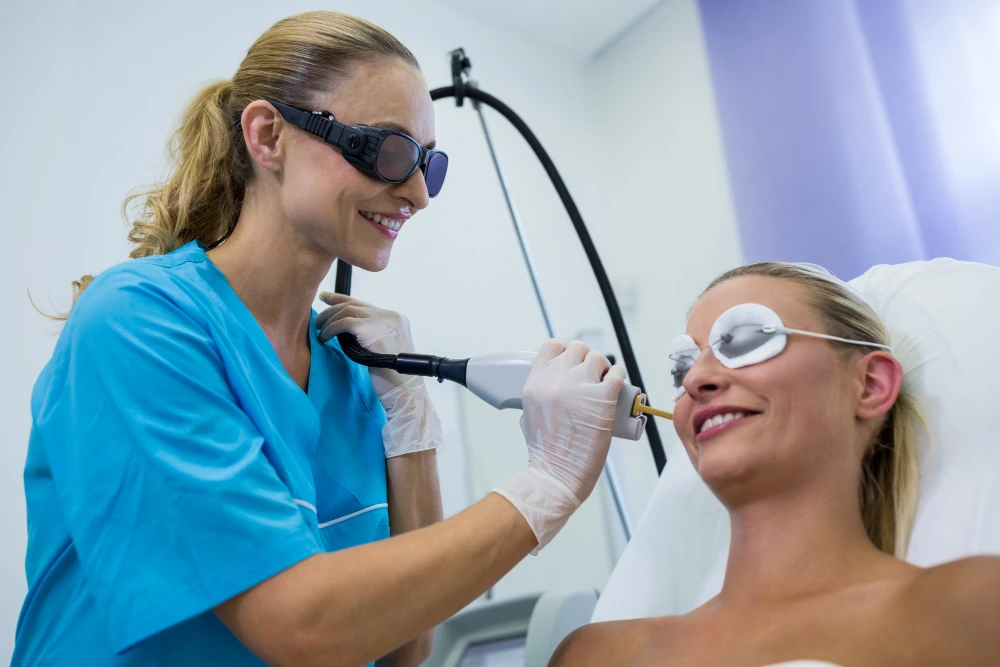
Skin Resurfacing Treatments at Georgia Family Care, Conyers, United States

AFTERCARE GUIDE

What to Expect After Skin Resurfacing Treatment

Recovery from skin resurfacing treatment depends on the type and intensity of the procedure performed. Here is a general guide to help you feel prepared for the days and weeks following your session.

Recovery Timeline

✔ Mild redness, warmth, or swelling is common for 1 to 5 days

✔ Some resurfacing methods may cause light flaking or peeling

✔ Most patients return to normal activities quickly

Post-Treatment Care

✔ Apply SPF daily and limit direct sun exposure

✔ Use gentle, fragrance-free skincare products

✔ Keep skin moisturized and avoid harsh exfoliants

✔ Follow all instructions provided by your provider

Results & Follow-Up

✔ Skin tone and texture continue to improve over several weeks

✔ Multiple sessions may be recommended for best results

✔ Contact your provider with any unusual or prolonged symptoms

Recovery Timeline

✔ Mild redness, warmth, or swelling is common for 1 to 5 days

✔ Some resurfacing methods may cause light flaking or peeling

✔ Most patients return to normal activities quickly

Post-Treatment Care

✔ Apply SPF daily and limit direct sun exposure

✔ Use gentle, fragrance-free skincare products

✔ Keep skin moisturized and avoid harsh exfoliants

✔ Follow all instructions provided by your provider

Results & Follow-Up

✔ Skin tone and texture continue to improve over several weeks

✔ Multiple sessions may be recommended for best results

✔ Contact your provider with any unusual or prolonged symptoms

OUR DIFFERENCE

Why Choose Georgia Family Care for Skin Resurfacing?

Patients across Lawrenceville, Lithonia, and Conyers trust Georgia Family Care for skin resurfacing treatment because we combine medical expertise with a personal, patient-first approach.

Experienced Medical Providers

Our team is trained in advanced skin resurfacing techniques, ensuring safe and effective treatment for a wide range of skin types and concerns.

Personalized Treatment Plans

No two patients are alike. We design every skin resurfacing treatment plan around your unique skin goals and concerns.

Advanced Treatment Technology

We use modern, medical-grade devices that allow precise, controlled treatment for consistent, natural-looking results.

Comfortable, Trusted Local Care

As a family medicine clinic serving Lawrenceville, Lithonia, and Conyers, we provide a welcoming environment where your comfort and care come first.

Frequently Asked Questions (FAQs)

1. What does skin resurfacing treat?
Skin resurfacing treatments are effective for a wide range of skin concerns, including fine lines and wrinkles, acne scars, sun spots, age spots, uneven skin tone, rough skin texture, enlarged pores, and mild skin laxity. By targeting the outer and mid-layers of the skin, these treatments encourage your body to regenerate healthier, more even skin naturally. Your provider will confirm which concerns can be addressed during your initial consultation.
2. Is skin resurfacing painful?
Most patients describe skin resurfacing treatment as mildly uncomfortable rather than painful. Common sensations include warmth, brief tingling, or a light snapping feeling as the device moves across the skin. To maximize your comfort, our team applies topical numbing cream or cooling agents prior to each session. If at any point you experience significant discomfort, let your provider know, and they will adjust accordingly.
3. How many sessions will I need?
The number of skin resurfacing sessions required depends on your skin type, the condition being treated, and the depth of the procedure. Some patients achieve their desired results in a single session, while others may benefit from a series of two to four treatments spaced four to six weeks apart. Your Georgia Family Care provider will outline a recommended treatment schedule during your consultation based on your individual skin assessment and goals.
4. How long is the recovery after skin resurfacing?
Recovery after skin resurfacing treatment typically ranges from a few days to two weeks, depending on the type and intensity of the procedure. Non-ablative and fractional treatments often involve minimal downtime, with most patients returning to regular activities within one to two days. More intensive laser resurfacing may require a longer healing period. Redness, light peeling, and sensitivity are common during recovery and subside as new skin forms.
5. When will I see results from skin resurfacing?
Initial improvements in skin texture and tone are often noticeable within one to two weeks after your skin resurfacing treatment. However, the most significant results typically become visible between four and eight weeks as collagen production ramps up and new skin cells fully mature. With a series of skin resurfacing treatments, results continue to build progressively, and many patients enjoy improvements that last several months to over a year.
6. Is skin resurfacing safe for all skin types?
Many skin resurfacing treatments are safe for a broad range of skin types, though certain procedures may carry a higher risk of side effects in darker skin tones, including temporary hyperpigmentation. During your consultation, your Georgia Family Care provider will evaluate your skin tone and condition to recommend the safest and most effective treatment option. We prioritize your skin’s health and take every precaution to deliver excellent, low-risk results.
7. How long do results last?
The longevity of skin resurfacing treatment results varies depending on the type of procedure, the concern treated, and your ongoing skincare routine. In general, patients enjoy visible improvements for six months to two or more years. Collagen-stimulating effects continue to build for several months after treatment. To extend and maintain your results, our providers recommend consistent sun protection, a quality skincare routine, and periodic maintenance sessions as needed.

Frequently Asked Questions (FAQs)

1. What does skin resurfacing treat?
Skin resurfacing treatments are effective for a wide range of skin concerns, including fine lines and wrinkles, acne scars, sun spots, age spots, uneven skin tone, rough skin texture, enlarged pores, and mild skin laxity. By targeting the outer and mid-layers of the skin, these treatments encourage your body to regenerate healthier, more even skin naturally. Your provider will confirm which concerns can be addressed during your initial consultation.
2. Is skin resurfacing painful?
Most patients describe skin resurfacing treatment as mildly uncomfortable rather than painful. Common sensations include warmth, brief tingling, or a light snapping feeling as the device moves across the skin. To maximize your comfort, our team applies topical numbing cream or cooling agents prior to each session. If at any point you experience significant discomfort, let your provider know, and they will adjust accordingly.
3. How many sessions will I need?
The number of skin resurfacing sessions required depends on your skin type, the condition being treated, and the depth of the procedure. Some patients achieve their desired results in a single session, while others may benefit from a series of two to four treatments spaced four to six weeks apart. Your Georgia Family Care provider will outline a recommended treatment schedule during your consultation based on your individual skin assessment and goals.
4. How long is the recovery after skin resurfacing?
Recovery after skin resurfacing treatment typically ranges from a few days to two weeks, depending on the type and intensity of the procedure. Non-ablative and fractional treatments often involve minimal downtime, with most patients returning to regular activities within one to two days. More intensive laser resurfacing may require a longer healing period. Redness, light peeling, and sensitivity are common during recovery and subside as new skin forms.
5. When will I see results from skin resurfacing?
Initial improvements in skin texture and tone are often noticeable within one to two weeks after your skin resurfacing treatment. However, the most significant results typically become visible between four and eight weeks as collagen production ramps up and new skin cells fully mature. With a series of skin resurfacing treatments, results continue to build progressively, and many patients enjoy improvements that last several months to over a year.
6. Is skin resurfacing safe for all skin types?
Many skin resurfacing treatments are safe for a broad range of skin types, though certain procedures may carry a higher risk of side effects in darker skin tones, including temporary hyperpigmentation. During your consultation, your Georgia Family Care provider will evaluate your skin tone and condition to recommend the safest and most effective treatment option. We prioritize your skin’s health and take every precaution to deliver excellent, low-risk results.
7. How long do results last?
The longevity of skin resurfacing treatment results varies depending on the type of procedure, the concern treated, and your ongoing skincare routine. In general, patients enjoy visible improvements for six months to two or more years. Collagen-stimulating effects continue to build for several months after treatment. To extend and maintain your results, our providers recommend consistent sun protection, a quality skincare routine, and periodic maintenance sessions as needed.