

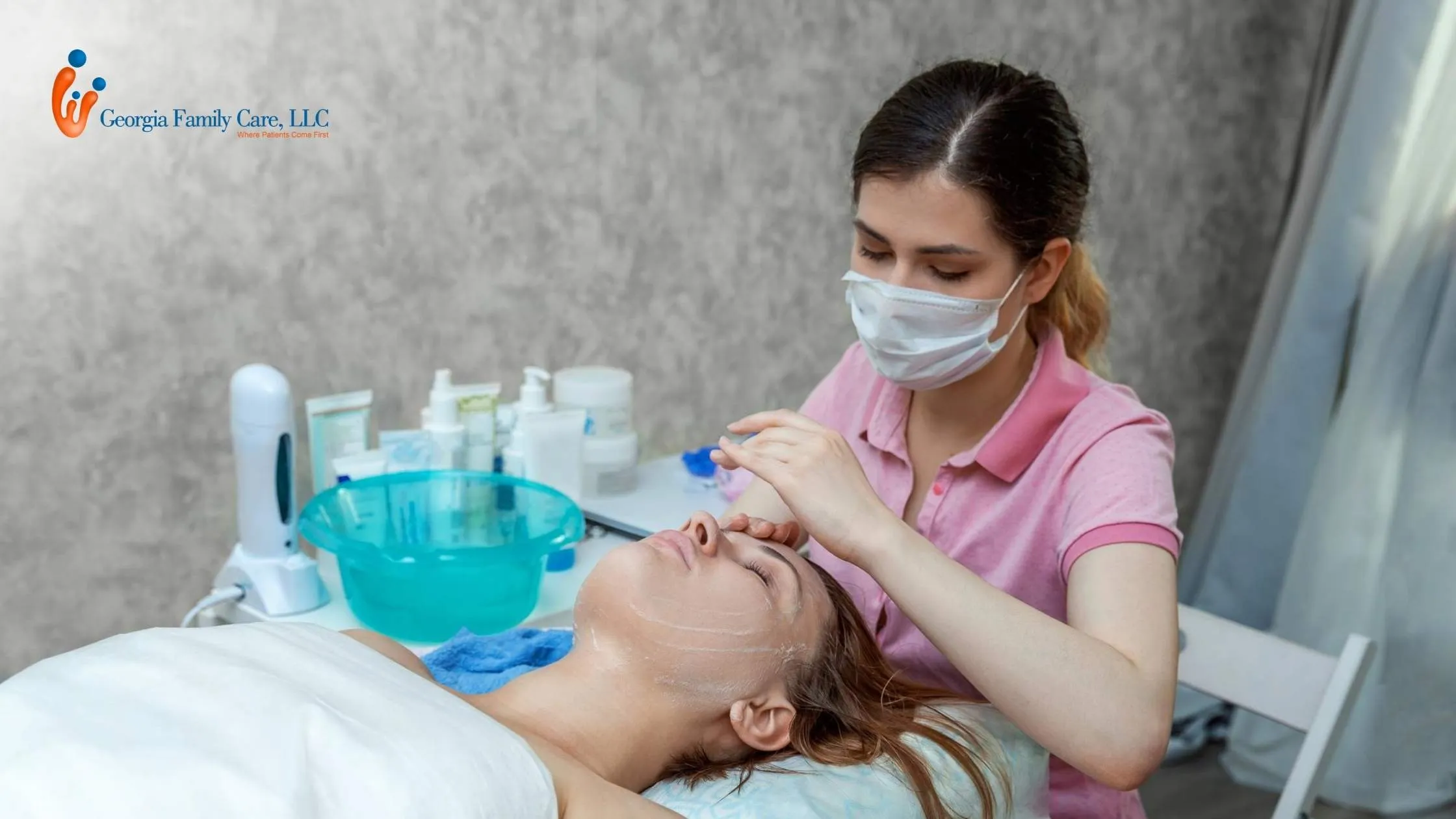
Understanding Dry, Sensitive Skin, It's More Than Just Dryness
Before exploring the best hydration therapies, it is important to understand what is actually happening beneath the surface. Dry skin results from insufficient oil production, while dehydrated skin lacks water content. Sensitive skin typically signals a compromised skin barrier the thin protective layer responsible for retaining moisture and blocking environmental irritants.
When this barrier breaks down, the skin becomes more reactive to ingredients, temperature changes, and pollutants. Recent clinical research confirms that up to 70% of consumers now recognize protecting the skin barrier as a medical necessity not just a cosmetic preference. This shift has driven major advances in how MedSpas and dermatology clinics approach skin hydration.
Common signs of a compromised barrier in dry, sensitive skin include:
- Persistent tightness and flakiness even after moisturizing
- Redness, stinging, or burning when applying products
- Dull, lackluster complexion that does not respond to basic creams
- Increased sensitivity to weather changes and environmental stressors
The Science Behind Effective Skin Hydration Therapy
Modern dermatologists distinguish between two complementary strategies for treating dry, sensitive skin. Humectants such as hyaluronic acid, glycerin, and urea attract water from the deeper dermis and the environment into the skin’s outer layer. Occlusives such as ceramides, squalane, and fatty acids form a protective seal to prevent transepidermal water loss (TEWL). The most effective therapies combine both approaches.
According to board-certified dermatologists, the gold-standard ingredients for hydrating sensitive skin today include multi-weight hyaluronic acid for deep layered hydration, ceramides and essential fatty acids for barrier restoration, niacinamide to support lipid synthesis and calm inflammation, peptides and growth-factor mimetics for cellular collagen support, and postbiotics for microbiome-friendly skin restoration.
Biotechnology has taken hydration science even further. Advances in nano-liposomes, niosomes, and encapsulated hydrating actives now allow ingredients to penetrate deeper into the epidermis with significantly lower irritation a breakthrough for sensitive skin types.
Best Clinical Hydration Therapies for Dry, Sensitive Skin in 2026
At-home skincare can only do so much. Clinical hydration therapies reach deeper skin layers and deliver measurable, lasting results. Here are the top professional treatments making waves in 2026:
1. DermaFuse Skin Infusion Therapy
DermaFuse is among the most effective treatments for dry, dehydrated skin. This skin infusion therapy delivers active hydrating ingredients, including hyaluronic acid, peptides, and antioxidants, deep into the skin layers. Unlike topical application, DermaFuse bypasses the surface barrier to improve hydration, elasticity, and skin tone from within. At Georgia Family Care’s MedSpa, DermaFuse is a key treatment in our hydration protocol, with patients reporting visibly plumper, more resilient skin after their sessions.
2. Préime DermaFacial, Hydra-Dermabrasion Technology
The Préime DermaFacial uses hydra-dermabrasion technology to deeply cleanse and exfoliate while simultaneously infusing the skin with botanical extracts, peptides, and antioxidants. This non-irritating, multi-step process is gentle enough for sensitive skin, yet powerful enough to combat congestion, dullness, and dehydration. It is ideal for patients seeking noticeable results without any downtime or post-treatment redness.
3. IV Drip Therapy for Skin Hydration
One of the most talked-about trends in MedSpa wellness, IV Drip Therapy delivers hydration and essential nutrients directly into the bloodstream for immediate, full-body absorption. For patients with chronic dry skin, vitamin and hydration IV cocktails support skin health at the cellular level, something no topical cream can replicate. Georgia Family Care’s IV Drip Therapy is customized for each patient’s hydration and wellness goals.
4. Microneedling with Hydrating Serums
Microneedling creates micro-channels in the skin that allow hydrating serums, including hyaluronic acid and growth-factor formulations, to penetrate far deeper than possible through surface application alone. In 2026, combining microneedling with exosome serums has emerged as a leading option for dry skin that has also lost firmness and collagen density. It is an excellent choice for patients dealing with both dehydration and early signs of aging.
Why Personalized Treatment Matters for Sensitive Skin
No two sensitive skin cases are identical. What works for one person may trigger a reaction in another. This is why a personalized clinical assessment rather than a one-size-fits-all product is the cornerstone of effective hydration therapy.
At Georgia Family Care, our skincare team begins with a thorough skin consultation and analysis, evaluating your skin’s hydration levels, barrier integrity, and specific sensitivity triggers. We then design a tailored hydration protocol that introduces treatments gradually, protecting your skin’s tolerance while progressively strengthening its moisture barrier.
Our approach is medically guided, which means your skincare plan evolves alongside your skin with post-treatment care guidance built in at every step.
Conclusion:
Dry, sensitive skin is not something you have to simply live with. With the right clinical approach, you can restore your skin barrier, lock in lasting moisture, and enjoy a healthier, more radiant complexion without irritation or downtime. Georgia Family Care’s MedSpa team is here to help patients across Lithonia, Lawrenceville, and Conyers, GA, find the most effective, gentle, and personalized hydration solution for their skin. Book your skin consultation today!
Frequently Asked Questions:
1. What is skin hydration therapy and how does it work?
Skin hydration therapy is a clinical treatment designed to restore moisture levels deep within the skin. Unlike topical creams, it uses advanced techniques like infusion, microneedling, or IV therapy to deliver hydrating ingredients such as hyaluronic acid and peptides into deeper layers. These therapies improve water retention, repair the skin barrier, and enhance overall skin health, resulting in smoother, plumper, and more resilient skin over time.
2. How is dry skin different from dehydrated skin?
Dry skin is a skin type caused by a lack of natural oil production, while dehydrated skin is a condition where the skin lacks water. Even oily skin can become dehydrated. Dry skin often feels rough and flaky, whereas dehydrated skin appears dull and tight. Understanding this difference is essential because effective skin hydration therapy targets both oil balance and water retention for optimal results.
3. Which hydration therapy is best for sensitive skin?
The best hydration therapy for sensitive skin depends on individual skin conditions. Treatments like DermaFuse Skin Infusion and Hydra-Dermabrasion are highly effective because they deliver hydration without irritation. These therapies combine gentle exfoliation with deep infusion of hydrating ingredients. A personalized consultation is essential to choose the safest and most effective option for your specific skin sensitivity and hydration needs.
4. Can hydration therapy repair the skin barrier?
Yes, advanced hydration therapies are designed to repair and strengthen the skin barrier. Ingredients like ceramides, fatty acids, and niacinamide help rebuild the protective layer of the skin. By reducing transepidermal water loss and improving moisture retention, these treatments restore the skin’s ability to defend against irritants, making it less reactive and more resilient over time.
5. Is microneedling effective for dry and dehydrated skin?
Microneedling is highly effective for dry and dehydrated skin when combined with hydrating serums. The micro-channels created during the procedure allow ingredients like hyaluronic acid and growth factors to penetrate deeper into the skin. This enhances hydration, boosts collagen production, and improves skin texture. It is especially beneficial for individuals experiencing both dryness and early signs of aging.
6. How long do results from hydration therapy last?
The results of skin hydration therapy can last several weeks to months, depending on the treatment type and individual skin condition. Clinical treatments provide deeper and longer-lasting hydration compared to topical products. Maintenance sessions, combined with proper skincare routines, can extend results and help maintain a healthy skin barrier and consistent hydration levels.
7. Why is personalized hydration treatment important?
Personalized hydration treatment is crucial because sensitive skin reacts differently to various ingredients and procedures. A tailored approach ensures that treatments are introduced gradually and safely, minimizing irritation. Professional assessment helps identify hydration levels, barrier damage, and triggers, allowing clinicians to design a customized plan that delivers effective and long-lasting results without compromising skin health.
Author Bio:

DHARMESH KUMAR PATEL, M.D.
Dr. Patel is the founder of Georgia Family Care and has proudly served Dekalb and Gwinnett County for nearly 30+ years. He treats patients of all ages and focuses on full-body and mental wellness. He is known for his caring approach and helps manage conditions like diabetes, high blood pressure, and heart disease with a focus on education and prevention.
Recent Posts
Facial Treatment for Acne: Benefits, Process, and What to Expect at Georgia Family Care
Georgia Family Care facial treatment for acne featured image with a woman gently touching her skin, the clinic logo, blue and orange branding, and the headline “Facial Treatment for Acne: Benefits, Process, and What to Expect at Georgia Family Care,” with a Learn More CTA.

Hormonal Acne Vs Regular Breakouts: 5 Signs It’s Time to See a Doctor
Learn the signs of hormonal acne, including jawline breakouts, monthly flare-ups, and adult acne. See when it may be time to talk with a doctor.
Non-Invasive Body Contouring in Georgia: A Complete, Physician-Guided Guide
Thinking about non-invasive body contouring in Georgia? Learn how it works, who it’s for, and why medical supervision matters. Book today!